A golf ball is small, fast and deeply uncooperative. It can leave the club above 250 kilometres an hour, spin thousands of times per minute and disappear against cloud. Yet a simulator can draw its flight before the ball finishes moving. The trick is not one sensor. It is a relay race between measurement and model.
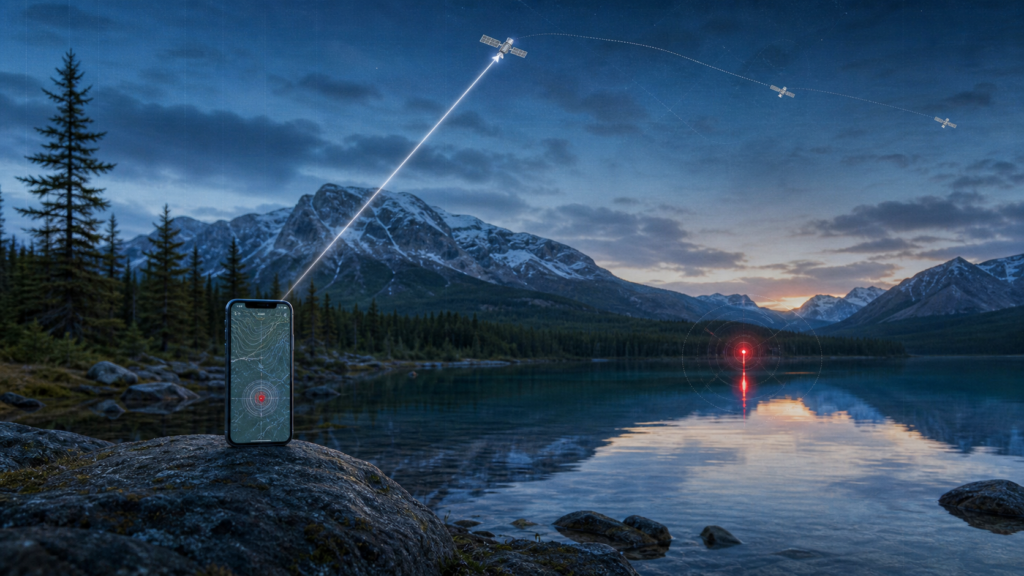
Radar listens to motion. High-speed cameras inspect impact. GPS places the golfer on the course. Software combines launch speed, angle, spin and atmosphere into a path that looks inevitable after it has been calculated.
The satisfying television tracer and the number on a practice-bay screen belong to the same family, but they may not use the same hardware. Understanding the difference helps Canadian golfers decide whether they need a range session, an app, a watch or a machine that costs as much as a compact car.
What actually changed
Launch monitors moved from elite coaching bays toward public ranges and home simulators. Meanwhile, the Golf Canada app expanded GPS maps, score tracking, handicap access and watch integration across more than 1,500 clubs.
That creates three layers of golf technology: measure the shot, locate it on a map, then interpret the pattern across a round. No single number fixes a swing. The value comes from connecting evidence to a specific decision.
How it works, without the launch-event fog
Doppler radar sends radio energy and measures how the reflection changes as the ball and club move. Cameras capture frames around impact and can identify face contact, launch direction or ball markings. Systems such as TrackMan combine radar and optical data to reduce blind spots.
Indoors, the device sees less of the ball’s flight, so spin measurement and a trustworthy physical model become especially important. Some balls include radar-reflective material to improve indoor spin capture. Camera-first systems instead need enough light, image speed and visible ball rotation.
The Canadian reality check
Simulators have special appeal where winter compresses the outdoor season. But an indoor number is only as useful as the setup: measured room dimensions, calibrated target line, appropriate ball, clean lens and enough flight distance.
On-course apps answer a different question. GPS estimates distance to mapped features and the watch may detect motion, while official handicap systems apply their own rules. A phone map cannot measure ball spin; a launch monitor cannot tell you whether slow play is ruining Saturday.
Who should care—and who can wait
A beginner often gains more from one interpreted session with a coach than months of unsupervised numbers. A committed player building a simulator should test the exact room and typical miss—especially short chips and high-loft shots.
Casual golfers may get nearly all the useful course information from the free Golf Canada app and a watch they already own.
What the announcement does not settle
Manufacturers publish impressive parameter counts, but more columns can create false precision. Repeatability, proper setup and knowing which variable changes the decision matter more than dashboard density.
Privacy deserves a glance too. A round history can include precise location, companions and routines. Review sharing defaults before turning every Saturday into a public map.
The OneZero verdict
Golf tracking feels magical because the measurement disappears. The ball flies; a line appears; a story about the swing arrives a second later.
The best systems make that story actionable. The worst make a beautiful autopsy of the same bad shot.