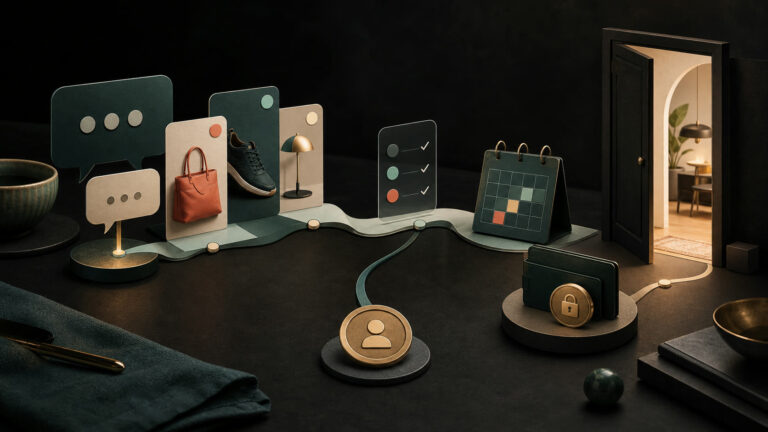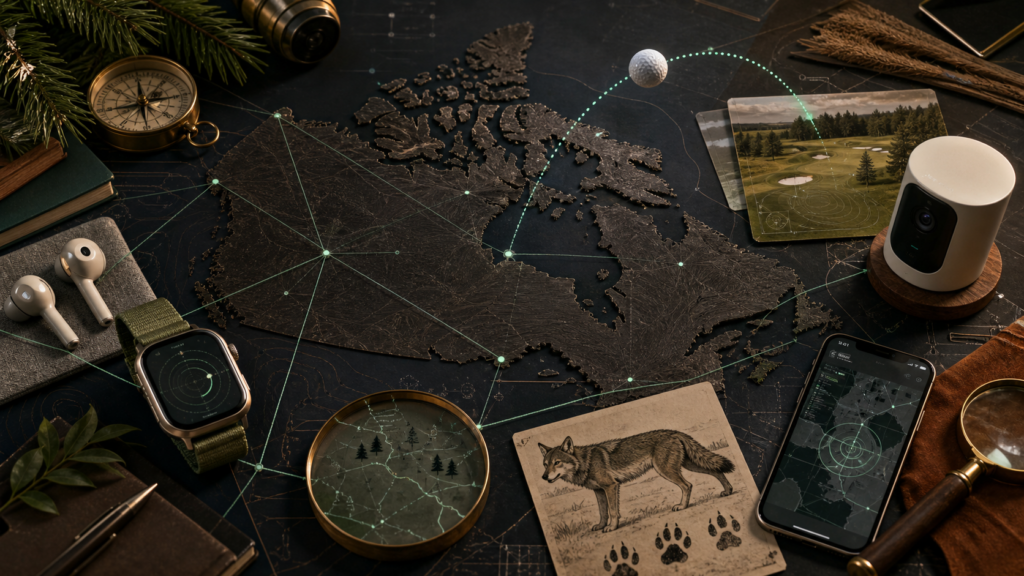
The second generation of Apple Intelligence was not one chatbot in one app. It was a layer threaded through photos, browsing, passwords, home cameras, watches and Siri. That breadth made the privacy architecture—and the small print about limits—more important than any single demo.
A home camera could group related activity, describe a sequence of clips and search for a package delivery. A phone could edit images or help automate a routine. Siri could reach across personal context and take actions in apps.
The pitch was convenience through understanding. The consumer question was how much understanding happens on the device, when a server becomes involved and whether the useful part changes after a daily allowance runs out.
What actually changed
Apple announced a new architecture and deeper integration across iOS 27, iPadOS 27, macOS 27, watchOS 27 and visionOS 27. Features included stronger photo editing, Safari tools, password protections, image generation and a more capable Siri.
Apple also disclosed that some server-intensive generation features would have daily limits and that increased access would be included with most iCloud+ plans. AI was becoming both an operating-system feature and a service tier.
How it works, without the launch-event fog
Some tasks can run on-device using models optimized for Apple silicon. Larger or more current requests may need protected server processing or other services. The system decides which route can satisfy the request while account permissions determine what personal context is available.
Camera summarization is a good example of the stakes. Grouping clips can reduce notification fatigue, but a wrong description can hide or invent significance. The original video needs to remain easy to inspect.
The Canadian reality check
The announcement listed French and English among supported languages but warned that availability could vary by feature and region. Canadian households should check the exact function, device and language—not a generic “Apple Intelligence available” label.
Hardware eligibility also divided recent devices. An iPhone that still received software updates might not receive every AI feature, turning model support into a new part of upgrade pressure.
Who should care—and who can wait
People already using compatible Apple devices may receive genuinely helpful upgrades without buying a separate AI gadget. Home-camera users and people who rely on accessibility features should watch the rollout closely.
Nobody should upgrade solely from a keynote promise. Wait for the public release, Canadian feature matrix, independent battery tests and a clear answer about which limits affect your routine.
What the announcement does not settle
Developer and public betas are unfinished. Features, languages and limits can change before release. A first-day review should not pretend to be a long-term verdict.
Subscription-linked usage allowances also need plain measurement. Consumers deserve to know what counts toward a limit and what remains functional after it.
The OneZero verdict
Apple’s most consequential 2026 AI move was making the technology ambient. It appeared where a person already browsed, photographed, listened and checked the front door.
Ambient systems earn trust through restraint. The intelligence should be easy to inspect, easy to turn off and never more confident than the evidence underneath it.