A year after the reveal, Apple Vision Pro became a Canadian product rather than a distant demo. That meant readers could replace spectacle with arithmetic—and discover how quickly a new computing category turns fit, vision correction and protection into line items.
The 256 GB model started at $4,999 CAD. Prescription inserts were $199, AppleCare+ was $699 and the travel case was $279. Add tax in Ontario and a fully equipped purchase could move well beyond six thousand dollars before a single paid app.
The price did not make the technology uninteresting. It changed the question from “is this amazing?” to “what recurring job could possibly earn its place?”
What actually changed
Canadian pre-orders opened June 28, 2024, with store availability scheduled for July 12. Apple offered face scanning for fit, prescription and reader inserts from ZEISS, and individual demonstrations in stores.
The App Store had more than 2,000 apps designed for Vision Pro by Apple’s count, plus compatible iPhone and iPad apps. The catalogue sounded large until the buyer asked which experiences were uniquely valuable enough to repeat.
How it works, without the launch-event fog
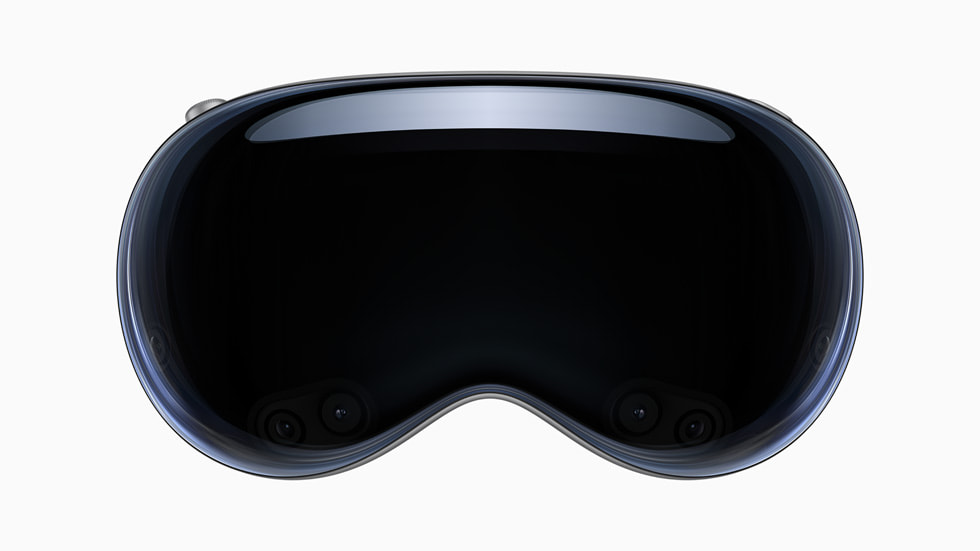
Fit is part of the optical system. The light seal positions displays and lenses relative to the eyes; eye tracking depends on calibration; prescription inserts must match supported prescriptions. A poor fit can affect comfort, clarity and tracking at once.
The headset can mirror a Mac display, arrange native windows in space and play immersive video. Its most persuasive use is often scale: a private screen that feels enormous. Its limitation is equally physical: the screen travels on the face.
The Canadian reality check
The Canadian launch included local pricing, retail demos and financing. It did not erase regional content differences or make every prescription compatible. Buyers needed to check their exact use, language, app and correction requirements.
A demo was the smartest free technology experience in the country that month. It let curious people inspect the interface without converting curiosity into debt.
Who should care—and who can wait
A professional with a specific immersive workflow, a developer shipping a visionOS product or a filmmaker studying spatial media could justify access. For everyone else, a store demo delivered most of the wonder with none of the ownership friction.
Families, commuters and shared offices also had practical obstacles: fit is personal, the view is isolating, and the device was not built like a casual shared tablet.
What the announcement does not settle
The launch release could count apps, not habits. It could not show how many owners would still choose the headset after three months or which third-party developers would keep investing.
The Canadian value equation also depended on resale, repair turnaround and future hardware—questions no launch-day buyer could answer confidently.
The OneZero verdict
Vision Pro was a landmark demonstration wrapped in a purchase that almost nobody needed to make. That is not an insult. Experimental products can be culturally important before they are sensible.
The honest Canadian recommendation in 2024 was simple: book the demo, bring your prescription information, notice your face after 25 minutes and keep your wallet closed unless a real job appeared.