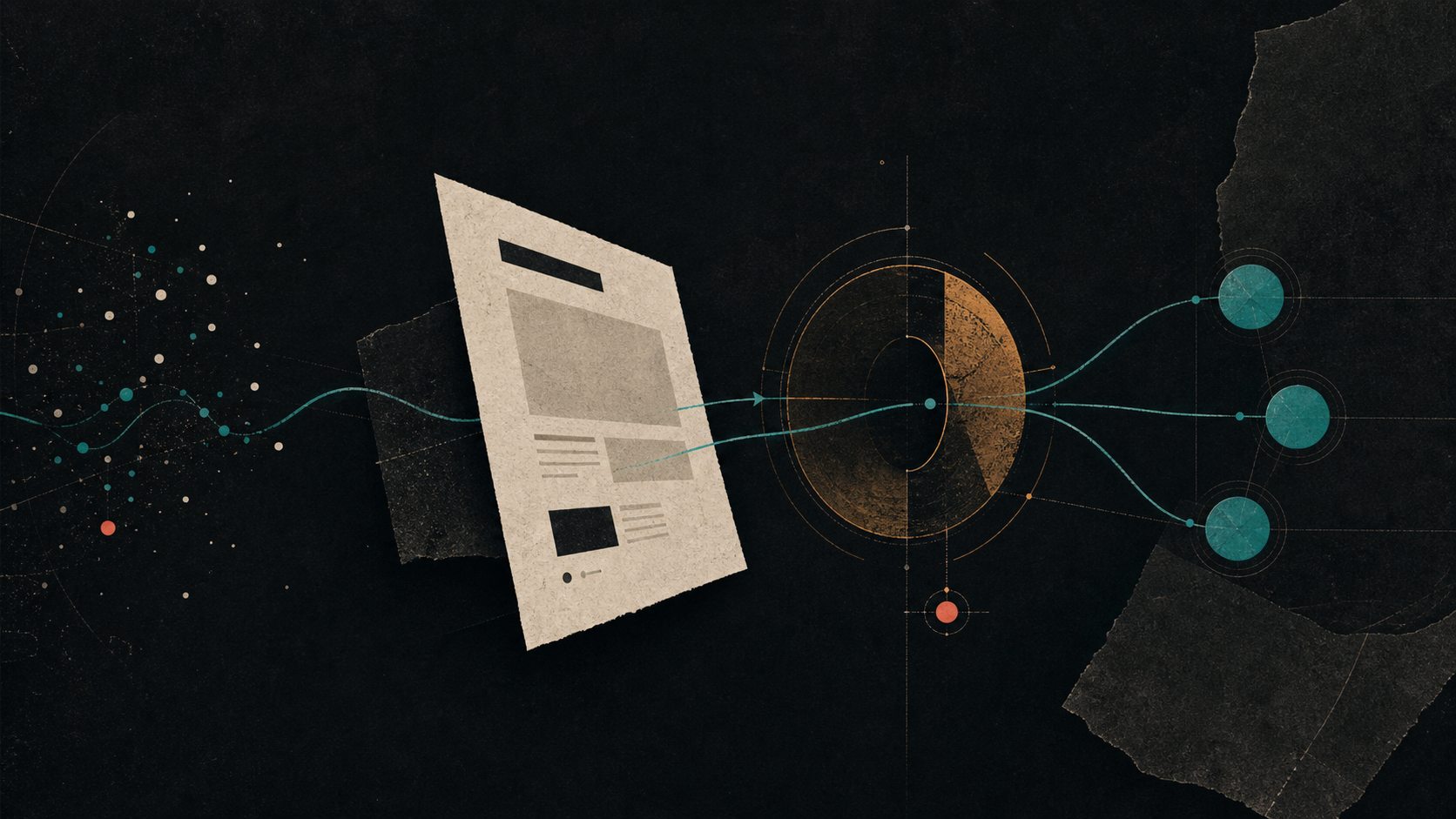
A lead is not a result. It is a signal that someone has taken a step. The value comes from what the business does next: the response, context, routing, qualification, follow-up, and learning that turns a signal into a real opportunity.
Define the first useful response
Fast is good, but generic is not enough. Decide what a visitor receives immediately, who is notified internally, what context is included, and which response needs a human hand. The first response should confirm that the inquiry landed and make the next step clear.
Capture only the information a person will use
Forms should ask for enough to route the conversation, not enough to recreate a procurement system. Name, contact details, service interest, location or timing context, and a useful open field are often more valuable than a long questionnaire.
Make ownership visible
Every new opportunity needs an owner, a next action, and a stage that means something. “New,” “contacted,” and “closed” are not a full operating model. Define what has to happen before a lead moves forward, pauses, or exits.
Use automation to support judgment
Automation is useful for confirmations, task creation, reminders, source capture, and handoffs. It is not a replacement for responding well. Good systems make the human work easier and more visible; they do not hide a weak sales process behind more software.
Build a follow-up cadence that respects the buyer
There is no universal sequence. The right rhythm depends on urgency, price, buying cycle, and service type. Document a reasonable standard for the first response, follow-up, meeting preparation, quote delivery, and no-response review. Then improve it from real patterns.
Review the loss reasons
Closed-lost is not a landfill. Track the reasons that matter: no fit, timing, budget, competitor, no response, unclear scope, or problem solved another way. These signals can improve the website, service framing, qualification, and content.
A simple lead route
Store the source, inquiry context, and contact details in one visible place.
Confirm receipt, assign ownership, and complete the first useful human action.
Review qualified conversations and loss reasons to improve the system.