A sales system is the experience that carries a prospect from first signal to a confident next step, while giving you usable data along the way. We design the customer journey, configure the operating system behind it, and make sure leads do not vanish into inboxes, spreadsheets, or someone’s memory.
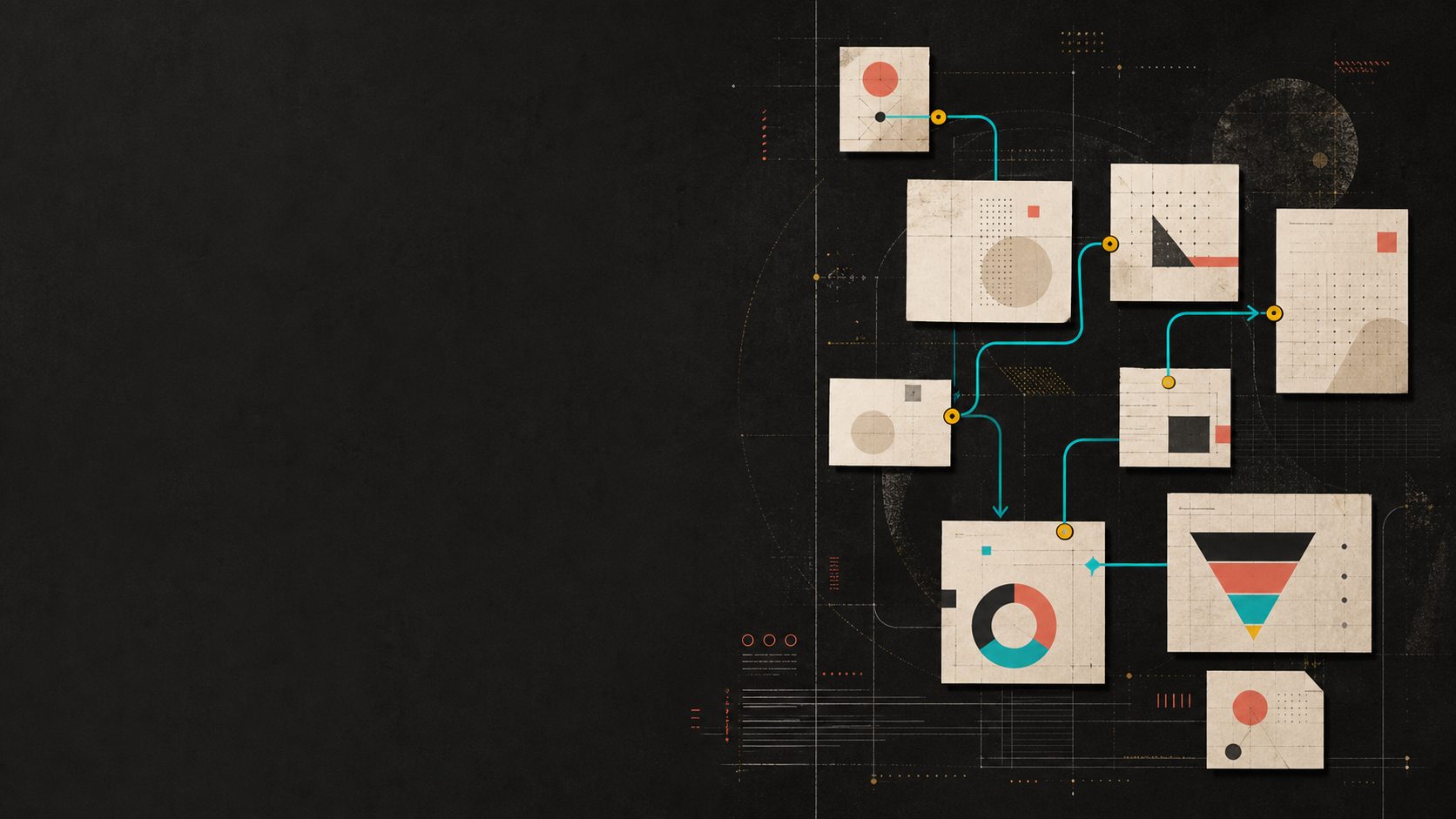
Every signal should become a visible next action.
A practical CRM is a shared record, not another dashboard. The model below shows the handoff logic that can be configured around the way a team actually sells.
Form, call, referral, booking, campaign, or inbound message carries source and context.
Contact, company, request, and useful qualification fields are organized in one accountable place.
A named person receives the next action, due date, and clear response expectation.
Qualification, proposal, decision, and onboarding stages make the opportunity visible without guessing.
Source, speed, quality, and conversion signals inform what should improve next.
Design the journey your customer is already trying to take.
Every business has a customer journey. The only question is whether it is deliberate. We map the real route: where demand starts, what a person sees, how they reach out, who responds, what happens if they go quiet, how a quote moves forward, and what should happen after the sale. Then we build the lightest system that helps the team execute it consistently.
Every lead has a home
Forms, calls, calendar bookings, referral inquiries, and campaign responses are routed into one accountable record with source details and the context needed for a useful response.
Nothing relies on memory
Pipeline stages, tasks, reminders, response-time rules, proposal follow-ups, and owner assignment make the next action visible before a good lead goes cold.
See what actually works
Clear lifecycle stages, source attribution, conversion events, and practical dashboards show where opportunities move, stall, close, or disappear.
CRM setup that fits the way the team sells.
We can help select, clean up, or configure a CRM around the operating reality of the business. The work may include data structure, contacts and companies, deal pipelines, stages, fields, ownership rules, activities, templates, permissions, reporting, and a migration plan for the information worth keeping.
What we can build into the sales system
- CRM selection support and setup planning
- Lead, account, contact, and opportunity structure
- Pipeline stages with clear entry and exit rules
- Custom fields that capture decision-useful context
- Ownership, permissions, queues, and task rules
- Data cleanup, import mapping, and practical handoff
- Form, inbox, calendar, and website lead routing
- Immediate response messages and internal alerts
- Task creation, escalation, and no-response reminders
- Qualification sequences and meeting preparation flows
- Proposal, quote, and decision follow-up cadences
- Client onboarding, review requests, and reactivation triggers
- UTM conventions and source tracking
- Conversion events for forms, calls, bookings, and proposals
- Lifecycle stages from first touch through customer
- Pipeline velocity, response-time, and follow-up reporting
- Simple dashboards for owners and sales leads
- Reporting definitions the team can trust
- Journey mapping across web, email, phone, and meetings
- Clearer confirmation, reminder, and next-step messages
- Sales-to-delivery handoff checklists
- Client onboarding flows that reduce avoidable back-and-forth
- Retention, referral, and re-engagement touchpoints
- Consent-aware communication planning
Built for solo operators and growing sales teams.
You need one calm place to see what is happening, know who to contact next, and avoid spending evenings reconstructing a deal from scattered messages. The system should reduce mental load, not create admin work.
You need consistent definitions, visible ownership, cleaner handoffs, and reporting that does not punish people for using the system. The goal is a shared operating rhythm, not surveillance theatre.
A technical build, not a black box.
We document the stages, fields, triggers, integrations, and decision rules so the business understands what is connected and why. Where third-party platforms are involved, we plan authentication, permissions, data ownership, error handling, and human review points instead of quietly wiring together fragile automations.
We do not promise a fully automatic sales machine. Good sales still need judgment. The system exists to make the right human action easier, faster, and easier to measure.